Fire Damper Testing

Clean Air 24 Seven have multiple teams and operatives across the UK, we are here to help with any fire damper testing requirements you may have. 24 Seven’s fire damper testing confirms compliance which is shown in our in-depth reports.

We are here to help, if you require any advice, simply call 0203 6408 247

Contact Trauma Clean 24 Seven

Clean Air Law and Legislation Compliance

We will make sure your system is managed to exceed the legislation set by regulating bodies.
Click here to read how we can help >>

Squat Clearance

We Work With Groups & Independent Businesses

Clean Air 24 Seven manage your air ventilation systems, whether you’re a group or an independent business! We are equipped to deal with various types of buildings.
Click here to read how we can help >>

Hoarding Clean Up

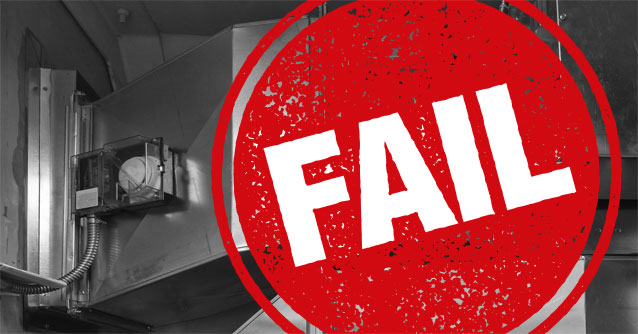
Why Fire Dampers Fail Testing

Fire dampers can fail for a wide range of reasons.

Click here to read how we can help >>

0203 6408 247

Call Us Now – We’re Here To Help

When calling it would be useful to have the following information:
  • Your Name
  • Company Name (If Applicable)
  • Email Address
  • Your Clean Air Requirements

Request A Callback

    Clean Air 24 Seven Fire Damper Testing

    Fire dampers require frequent testing and auditing in order to remain compliant with The Management of Health & Safety at Work Regulations 1999 and The Regulatory Reform (Fire Safety) Order 2005. Fire dampers are designed to prevent fire spreading throughout the building via the buildings ductwork systems or up to 2 hours. Fire dampers can also prevent the air ventilation systems from fuelling a fire with oxygen.
    Our comprehensive reports provide customers with the results of the inspection including recommendations on how to improve your fire dampers to keep you air ventilation systems, buildings and their occupants as safe as possible. Included with the report will be a certificate to show your system meets with your insurance conditions.

    We Make You Compliant With Clean Air Laws And Legislations

    The Management of Health & Safety at Work Regulations 1999 and The Regulatory Reform (Fire Safety) Order 2005 requires that air ventilation systems must have fire dampers installed wherever ductwork intersects with fire compartment walls, ceilings and floors. Alongside the installation of fire dampers, they must be tested and audited every 12 months as required by law. On top of this legislation, insurance companies require fire dampers and their testing are compliant with the following regulations: BS9999:2017, BESA DW145, BESA TB001.

    Clean Air 24 Seven will make sure your system is compliant with these regulations to ensure the performance and cleanliness of fire dampers meets standards set by the regulations.

    We Work With Groups And Independent Businesses

    Clean Air 24 Seven help you whether your business has one or more buildings. We have multiple teams across the UK, to help you keep on top of your fire damper systems. We carry out work for a wide range of customers including:

    • Laboratories, Hospitals
    • Schools, Colleges, Universities
    • Office Buildings, Warehouses, Factories
    • Facilities Management Companies
    • M&E Companies
    • And many more!

    Each customer is allocated their own dedicated account handler, we believe one point of contact for all locations makes it easier for our customers and saves them time.

    Why Do Fire Dampers Fail?

    There are various reasons why fire dampers fail, which is why the building owner has a duty of care to ensure precautions are taken to control the risk. During testing we locate and check for the following hazards.

    • Blockages of rubbish
    • Poorly installed fire dampers
    • Dirt and debris
    • Broken damper parts

    Clean Air 24 Seven’s extensive reporting system eliminates your doubts about the systems capabilities during the event of a fire. The 24 Seven technicians not only clean the dampers but provide recommendations and notes on any obstructions on the dampers.

    Clean Air 24 Seven Fire Damper Testing

    Fire damper testing is a legal and essential process that helps protect lives, property, and buildings from the spread of fire and smoke through ventilation systems. At Clean Air 24 Seven, we provide comprehensive fire damper testing, and maintenance services across the UK. Our fully qualified engineers ensure every damper in your ductwork system operates correctly and complies with current fire safety legislation.

    What Is a Fire Damper?

    A fire damper is a safety device fitted within a building’s ventilation or ductwork system. Its purpose is simple but critical — to prevent the spread of fire and smoke through the air ducts that connect different rooms or compartments.

    During normal operation, dampers stay open to allow air to circulate. However, when heat from a fire is detected — usually when the temperature reaches around 72°C — a fusible link or actuator mechanism triggers the damper to close automatically. This forms a barrier, compartmentalising the fire and slowing its spread.

    If fire dampers fail to close correctly, flames and smoke can travel freely through a building, putting occupants at serious risk and compromising the entire fire containment strategy.

    Why Fire Damper Testing Is Essential

    Over time, fire dampers can deteriorate, seize, or become obstructed by dust, debris, or corrosion. Without regular testing and maintenance, they may fail to close when needed most.

    Routine fire damper testing ensures that each unit will perform correctly in an emergency. Testing identifies any faults, damage, or operational issues that could compromise safety.

    In addition to saving lives, regular testing:

    • Demonstrates compliance with the Regulatory Reform (Fire Safety) Order 2005
    • Supports compliance with BS 9999:2017 and BS 9991:2021
    • Helps you meet the requirements of your fire risk assessment
    • Reduces liability and insurance risks
    • Extends the lifespan of your fire safety systems

    Neglecting fire damper testing not only breaches legal obligations but could also lead to enforcement action or invalidated insurance policies in the event of a fire.


    Fire Damper Testing FAQs

    • What are fire dampers and why are they important?

      Fire dampers are safety devices installed in ventilation and air conditioning ductwork. In the event of a fire, they automatically close to prevent flames and smoke from spreading through ducts into other parts of a building. Regular testing ensures these life-safety components operate correctly when needed and helps meet legal fire safety obligations.

    • How often should fire dampers be tested in the UK?

      Under BS 9999 and industry best practice, all fire dampers must be tested and inspected at least every 12 months. However, in high-risk environments such as hospitals, laboratories, or greasy/dusty areas, more frequent testing may be required. HTM 03-01 specifies annual testing as a minimum for healthcare settings.

    • What regulations cover fire damper testing?

      Fire damper maintenance is required under the Regulatory Reform (Fire Safety) Order 2005, which places a duty on the Responsible Person to maintain all fire precautions in working order. Supporting standards include BS 9999, HTM 03-01 (for healthcare), and trade guidance such as NAAD21 and TR19® Air. These outline how and when testing should be carried out and what records must be kept.

    • What does a fire damper test involve?

      A full test includes:

      1. Locating and visually inspecting each damper
      2. Functionally testing the damper to confirm full closure (known as a “drop test”)
      3. Checking fusible links or actuator operation
      4. Recording condition, defects, and test results
      5. Providing a detailed photographic report and recommendations for remedials

      Competent engineers follow NAAD21 guidance to ensure consistent, safe testing procedures.

    • Who is responsible for fire damper testing?

      The Responsible Person—usually the building owner, facilities manager, or employer—must ensure all fire safety systems, including dampers, are maintained and tested. While the work itself should be performed by a competent specialist, the duty to ensure it happens lies with the Responsible Person.

    • What is NAAD21 and why is it important?

      NAAD21 is a UK guidance document produced by the National Association of Air Duct Specialists (NAAD UK). It defines the procedures, standards, and documentation required for fire and smoke damper testing and maintenance. Following NAAD21 ensures compliance, safety, and consistency across all sites.

    • What is TR19® Air and how does it relate to fire dampers?

      TR19® Air, published by BESA, is the UK’s recognised standard for ventilation system hygiene. Clean ductwork is essential for damper reliability—dirt, grease, or debris can stop blades from closing fully. Integrating TR19® Air cleaning with annual damper testing helps ensure dampers operate correctly and extends their lifespan.

    • What happens if a fire damper fails its test?

      If a damper fails to close, is inaccessible, or shows mechanical damage, it’s classed as a defect. The engineer will document the issue, categorise it by severity, and recommend remedial action. Urgent defects should be repaired or replaced immediately, with retesting carried out to confirm compliance.

    • What records must be kept after testing?

      You should maintain a fire damper asset register showing each damper’s location, ID, test date, result, and any remedials. A compliant report will include:

      1. Damper ID and location
      2. Photographic evidence
      3. Pass/fail result and condition notes
      4. Date tested and engineer name
      5. Retest or repair recommendations Keeping this documentation is essential for audits, insurance, and Fire Authority inspections.
    • How can Clean air 24 Seven help with fire damper compliance?

      Clean air 24 Seven provides comprehensive fire damper testing, inspection, and maintenance aligned with NAAD21, TR19® Air, and BS 9999 standards. Our experienced engineers conduct safe, efficient testing with minimal disruption, produce digital reports with full photographic evidence, and help you set up a sustainable maintenance schedule for continuous compliance.

    24 Seven Group Logos

    Other Specialist Cleaning Divisions of 24 Seven Group

    Cater Clean 24 Seven
    Deep Clean 24 Seven
    Pest Control 24 Seven
    Rope Access 24 Seven
    Trauma Clean 24 Seven